How a Trademark Gap Let an Indian Seller Put “One Plus” on Trimmers — and Reportedly Earn $4.76 million USD
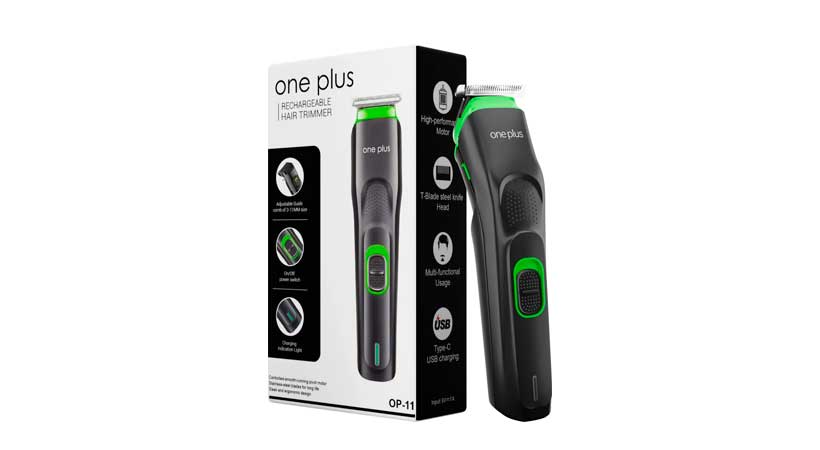
Picture this. You search “trimmer” on Flipkart, and one of the top sellers carries a name you instantly trust: One Plus. The packaging looks premium. The colour palette is sleek. The price is unbeatable. You assume it’s the smartphone giant moving into grooming, you tap Buy Now, and you move on with your day.
Except it isn’t the smartphone giant. It never was.
The trimmer you just bought has nothing to do with the global phone maker OnePlus. It comes from a company in Indore called Kiratech Innovations, founded by an entrepreneur named Nitesh Chandwani. And the entire business — reportedly worth around ₹45 crore in just two years — was built on a single gap in trademark protection that the world’s brand owners overlook every single day.
This isn’t a story about a scam. It’s a story about how trademark law actually works, why a famous name alone protects you far less than you think, and why the same gap that played out in India could just as easily open up in the UAE.
What actually happened
Here’s the short version. The brand on these trimmers is spelled “One Plus” — with a space — not “OnePlus.” That tiny gap between two words is doing an enormous amount of legal heavy lifting.
According to reporting on the case, Chandwani’s company registered the “One Plus” name back in 2020, then launched its trimmer range in 2022. The mark was reportedly secured in a class unrelated to smartphones — a category covering musical instruments and audio accessories — at a time when, by his account, the name was simply sitting available in the government registry. Chandwani has said the smartphone company raised no objection during the statutory four-month window in which trademark applications can be challenged.
What followed was the kind of growth most D2C founders only dream about. The brand reportedly sells around 90,000 units a month, fields roughly 10,000 orders a day on Flipkart, and prices its trimmers between ₹599 and ₹800. At its peak it became the third-largest online trimmer brand in India — meaning roughly one out of every 25 trimmers sold in the country carried this name.
The founder is quick to argue it isn’t only about the name. He’s pointed to trendy colours, sleek design and customisable attachments as the real drivers of repeat sales. But there’s no avoiding the obvious: a familiar-sounding name on a crowded marketplace shelf removes the buyer’s hesitation. Shoppers recognised something, trusted it, and skipped the research.
So… is this legal?
This is where the story gets genuinely interesting, and where the law firm in us has to be careful.
In January 2026, OnePlus Technology took the matter to the Delhi High Court. The case is ongoing and no final judgment has been delivered, so nobody can say with certainty who is in the right. But the dispute itself is the perfect illustration of how trademark systems are designed — and where they leave openings.
Three features of trademark law made this situation possible:
- Trademarks are registered by class, not by category of fame. A name isn’t protected “for everything.” It’s protected for the specific goods and services it’s registered against. If a smartphone brand registers in the electronics classes but never registers in the grooming or appliance classes, that door stays open for someone else.
- Most systems are “first to file.” In India — and, crucially, in the UAE — rights generally go to whoever registers first within a class, not necessarily to whoever is more famous. Reputation helps in a courtroom, but it isn’t a substitute for a certificate.
- There’s a window to object, and it closes. When an application is published, existing brand owners get a limited period to formally oppose it. Miss that window because nobody was monitoring the registry, and a conflicting mark can sail through to registration.
Put those three together and you get the “One Plus” trimmer. A small spelling difference, a class the global brand hadn’t claimed, and an opposition window that reportedly passed without a challenge.
The real lesson hiding inside the headline
It’s tempting to read this as a clever loophole story. The more useful way to read it is as a warning to every brand owner who assumes their name is automatically safe.
Being famous does not equal being protected. Protection comes from registration, in the right classes, in every country where you do business or sell — and from actually watching the registry afterwards. A global reputation built over a decade can still be undercut by a registration someone else filed for ₹10,000 in a class you forgot about.
This is the part that should make any business owner sit up: the company that benefited here didn’t out-spend or out-innovate a giant. It simply read the trademark register more carefully than the giant did.
Could the same thing happen in the UAE?
Short answer: yes, the same structural gap exists here too.
The UAE operates under Federal Decree-Law No. 36 of 2021 on Trademarks, and like India it is fundamentally a first-to-file jurisdiction that follows the international Nice Classification of 45 classes. That means:
- The first party to validly register a mark in a given class generally holds the rights to it in that class.
- Your trademark only protects the goods and services you actually register it against — register only your “core” class and you leave adjacent classes exposed.
- Unregistered marks are far harder and far more expensive to defend than registered ones.
In practical terms, a business that builds a recognised brand in the UAE but registers narrowly — or doesn’t register at all — is exposed to exactly the scenario above. Someone can spot the unclaimed class, file first, and start trading on the recognition you built. Untangling that afterwards means litigation, lost sales, and a fight you could have avoided with a registration filed years earlier.
How to protect your brand name in the UAE
The good news is that everything in this story is preventable, and none of the prevention is exotic. If you’re building a brand in the Emirates, this is the playbook:
- Run a clearance search before you launch. Before you print packaging or buy a domain, check whether the name is already registered — and whether something confusingly similar exists. This is the single cheapest insurance you’ll ever buy.
- Register early, and register before you scale. First-to-file rewards speed. Filing the moment you commit to a name beats filing after you’ve become a target.
- Register across all relevant classes, not just one. If you sell electronics today but could plausibly extend into accessories, grooming, software, or services tomorrow, consider defensive registrations in those classes now. The “One Plus” gap was, in essence, an unclaimed class.
- Monitor the register and use your opposition window. Registration isn’t “set and forget.” Watching for conflicting applications — and formally opposing them in time — is how you stop the next lookalike before it launches, not after it’s earning crores.
- Get the filing right the first time. A poorly drafted specification or the wrong class can leave holes that look fine until the day they don’t.
If you’re unsure which classes apply to your business or how exposed your current registration is, it’s worth a short conversation with a specialist before you commit. You can get legal advice on trademarks from a UAE lawyer and have your situation reviewed properly.
The bottom line
The “One Plus” trimmer didn’t win because it had a better product or a bigger budget. It won, at least at the start, because of a gap in someone else’s trademark protection — a missing registration in a class nobody thought to claim. Whether that gamble holds up is now for the Delhi High Court to decide.
For everyone else, the takeaway is simpler and far cheaper to act on. Your brand name is one of your most valuable assets, and in a first-to-file country like the UAE, it’s only as protected as your registration makes it. Don’t leave the door open for someone else to walk through.
Ready to protect your brand? Register a trademark in the UAE with the right class coverage from day one, or talk to a trademark lawyer in the UAE to find out exactly where your current protection stands.
Frequently asked questions
Is the “One Plus” trimmer the same company as OnePlus the smartphone brand? No. The trimmers are sold under “One Plus” (with a space) by an Indore-based company, Kiratech Innovations, and are not manufactured, marketed or affiliated with the global smartphone maker OnePlus. A trademark dispute between the two is currently before the Delhi High Court and has not been finally decided.
How was this allowed to happen? Trademarks are registered by class. Reports indicate the global brand had not registered its name in the product class used for the trimmers, which left that class available. Combined with a first-to-file system and an opposition window that reportedly passed without challenge, this allowed a separate registration to proceed.
Does a famous brand name protect a company automatically? No. Fame can strengthen a legal case, but protection fundamentally comes from registration — in the correct classes and in each country where you operate. An unregistered or narrowly registered mark is far more vulnerable than owners assume.
Is the UAE a first-to-file country for trademarks? Yes. Under Federal Decree-Law No. 36 of 2021, the UAE is a first-to-file jurisdiction following the Nice Classification system of 45 classes. The party that validly registers first in a class generally holds the rights to it.
How do I stop someone using a name similar to my brand in the UAE? The strongest protection is to register early across all relevant classes, monitor the trademark register, and formally oppose conflicting applications within the allowed window. A trademark specialist can run a clearance search and advise on the right class coverage for your business.