Cosmetic Product Registration in UAE: Dubai Municipality Approval Process Explained
If you plan to import, manufacture, or sell cosmetic products in Dubai, product registration approval is mandatory before the products can enter the market.
Many skincare brands, beauty startups, and online cosmetic sellers often ask:
“How do I get approval to sell cosmetics in Dubai?”
The UAE has strict regulations to ensure that cosmetic and personal care products are safe for consumers. Before cosmetics can be sold in shops, salons, pharmacies, or online platforms, they must be registered and approved by the relevant authority.
This guide explains the complete cosmetic product registration process in Dubai, including required documents, labeling rules, approval timelines, and common reasons for rejection.
Why Cosmetic Product Registration Is Mandatory in UAE
Cosmetic products such as skincare items, makeup, perfumes, hair care products, and personal care items must comply with UAE safety regulations before they can be sold.
The approval process ensures that cosmetic products:
- Do not contain harmful or banned ingredients
- Meet UAE safety standards
- Follow proper labeling requirements
- Provide accurate information to consumers
Without product registration approval, cosmetic products cannot legally be imported, distributed, or sold in Dubai.
Retailers, pharmacies, and e-commerce marketplaces may also request proof of registration before listing products.
What Products Are Considered Cosmetics in UAE?
Cosmetic regulations apply to a wide range of personal care products, including:
- Skin care products (creams, serums, lotions)
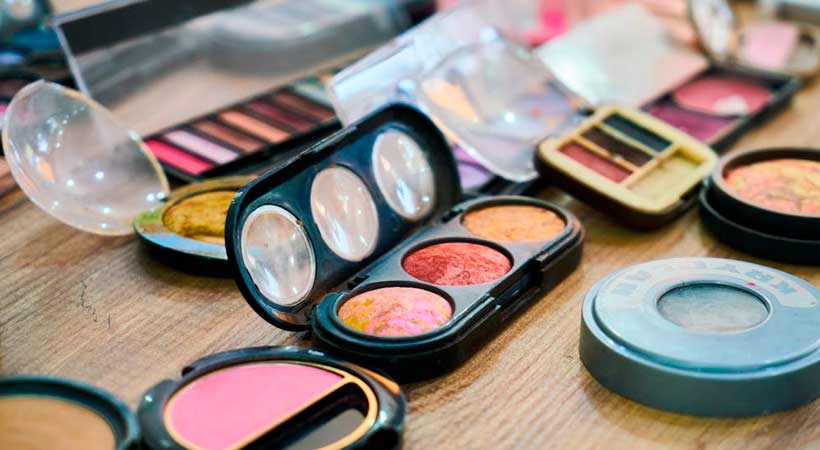
- Makeup products (foundation, lipstick, mascara)
- Hair care products (shampoo, conditioner, hair oil)
- Fragrances and perfumes
- Body care products (lotions, scrubs)
- Deodorants and antiperspirants
- Nail care products
- Personal hygiene products
Each cosmetic product must be registered individually before it can be sold.
Different variations such as shade, fragrance, or formulation may require separate registrations.
Who Needs Cosmetic Product Registration?
You must register cosmetic products if you are:
- A cosmetic importer
- A cosmetic trading company
- A beauty brand launching products in Dubai
- An e-commerce seller selling skincare or beauty products
- A salon selling branded cosmetic products
- A manufacturer distributing products in Dubai
Even if the products are approved in other countries, they must still be registered locally before entering the UAE market.
Authority Responsible for Cosmetic Product Registration in Dubai
In Dubai, cosmetic products must be approved by the municipality authority responsible for consumer product safety.
Companies must submit product details and documents through the official registration system used for consumer products.
The authority reviews product ingredients, safety compliance, and labeling before granting approval.
Step-by-Step Cosmetic Product Registration Process in UAE
Below is the typical process to obtain approval for cosmetic products in Dubai.
Step 1: Obtain a Valid Trade License
The company applying for product registration must have a valid UAE trade license with relevant business activities such as:
- Cosmetic trading
- Cosmetic manufacturing
- Beauty product distribution
Without the correct activity on the trade license, the application may not be accepted.
Step 2: Create a Company Account in the Product Registration System
The next step is to create a company profile in the official product registration portal.
Basic information required includes:
- Trade license copy
- Company details
- Contact information
- Authorized applicant details
Once the company profile is approved, product applications can be submitted.
Step 3: Prepare Required Documents
Each cosmetic product must be submitted with detailed supporting documents.
Typical documents include:
- Product label artwork
- Ingredient list
- Product formulation details
- Certificate of free sale from country of origin
- Product specification sheet
- Manufacturer details
- Product photos
Authorities review these documents to ensure the product meets safety standards.
Step 4: Ensure Cosmetic Label Compliance
Cosmetic labels must follow strict UAE labeling regulations.
The product packaging must include:
- Product name
- Brand name
- Manufacturer details
- Country of origin
- Ingredient list
- Production and expiry dates
- Storage instructions
- Batch number
Arabic information must be included on the label or provided through a sticker.
Incorrect or incomplete labeling is one of the most common reasons for rejection.
Step 5: Submit Product Application
The product application is submitted through the official registration portal.
During submission, the applicant must:
- Enter product information
- Upload required documents
- Upload product label artwork
- Pay the government registration fee
Each product or variation must be submitted as a separate application.
Step 6: Authority Review and Safety Assessment
Once submitted, the authority reviews the application to ensure:
- Ingredients comply with UAE regulations
- No banned substances are included
- Product labeling meets regulatory standards
- Product claims are accurate and not misleading
If issues are found, the authority may request clarification or corrections.
Step 7: Product Registration Approval
After successful review, the cosmetic product receives approval.
Once approved:
- The product can be imported into Dubai
- Customs clearance becomes possible
- The product can be sold in retail stores and online platforms
- Distributors and retailers can legally sell the product
How Long Does Cosmetic Product Registration Take?
Approval timelines usually depend on document completeness and product complexity.
Typical processing time:
- Around 5 to 10 working days if the application is complete.
Delays may occur if:
- Label corrections are required
- Ingredient verification is needed
- Documents are missing or unclear
Preparing the application carefully helps avoid delays.
Cost of Cosmetic Product Registration in Dubai
The cost of cosmetic product registration generally includes:
- Government registration fees
- System processing fees
- Professional service fees (if consultants are used)
Fees are typically charged per product or SKU.
Businesses launching multiple products should plan their registration budget accordingly.
Common Reasons Cosmetic Product Applications Are Rejected
Many applications are delayed due to common compliance issues.
Typical reasons include:
- Use of restricted ingredients
- Incorrect ingredient naming
- Missing Arabic labeling
- Incomplete documentation
- Misleading product claims
- Missing manufacturing information
Proper label review and ingredient verification can significantly reduce rejection risks.
Can You Sell Cosmetics Online Without Registration in UAE?
No.
Cosmetic products must be registered before they can be sold through:
- Online marketplaces
- Beauty stores
- Pharmacies
- Salons
- Supermarkets
Selling unregistered cosmetic products may result in:
- Product removal from online platforms
- Regulatory penalties
- Confiscation of products
- Business fines
Compliance is therefore essential before launching products in the market.
Tips for Skincare Brands Entering the UAE Market
For cosmetic brands planning to enter the UAE market, the following steps can help ensure smooth approval:
- Verify ingredient compliance with UAE cosmetic regulations
- Ensure proper Arabic labeling
- Avoid unapproved medical claims
- Register products before importing shipments
- Prepare clear product documentation
Proper preparation significantly reduces approval delays.
Final Thoughts
Cosmetic product registration in Dubai is a mandatory regulatory requirement designed to ensure consumer safety and product transparency.
Whether you are a skincare brand, beauty startup, importer, or e-commerce seller, obtaining approval before selling cosmetic products is essential.
Proper registration helps ensure:
- Legal market entry
- Smooth customs clearance
- Retail and online sales approval
- Compliance with UAE safety regulations
If you plan to register cosmetic products in Dubai, proper documentation and regulatory understanding can help streamline the approval process and prevent delays.