How to Register Food Products in UAE: Complete Guide for Importers and Manufacturers
If you plan to import, distribute, or sell packaged food products in the UAE, food product registration is mandatory before the products can enter the market.
Many F&B startups, packaged food importers, and restaurant brands launching retail products often ask:
“How do I register food products in Dubai before selling?”
This complete guide explains the process step by step — including required documents, labeling rules, timelines, costs, and common mistakes to avoid.
Why Food Product Registration Is Mandatory in UAE
All packaged food products sold in the UAE must comply with local food safety and labeling regulations.
In Dubai, food product registration is handled by Dubai Municipality through its official online system.
Without registration approval, you cannot:
- Import packaged food products into Dubai
- Clear shipments at customs
- Supply supermarkets or grocery stores
- Sell on e-commerce platforms
- Distribute to retailers
Food registration approval is often required before customs clearance.
Who Needs Food Product Registration?
You must register food products if you are:
- A food importing company
- A food trading company
- A supermarket private label brand
- A restaurant launching packaged retail products
- An online seller selling packaged foods
- A food manufacturer distributing products in Dubai
Even if the product is approved in another country, UAE registration is still required before selling in the local market.
Step-by-Step Process to Register Food Products in UAE
Below is the simplified process for food product registration in Dubai.
Step 1: Obtain a Valid Trade License
Your company must have:
- A valid UAE trade license
- Business activity that includes food trading or food manufacturing
If your trade license does not include the correct activity, your application may be rejected.
Step 2: Create a Company Profile in the Registration System
You must register your company profile on the official municipality portal.
Basic documents required:
- Trade license copy
- Company details
- Contact information
- Importer code (if importing products)
Step 3: Prepare Required Documents
For each product (SKU), you will typically need:
- Clear label artwork
- Full ingredient list
- Nutritional information
- Product specification sheet
- Certificate of origin
- Halal certificate (if applicable)
- Laboratory analysis report (if required)
- Product images
Each product variation (flavor, size, packaging type) must be registered separately.
Step 4: Ensure Label Compliance
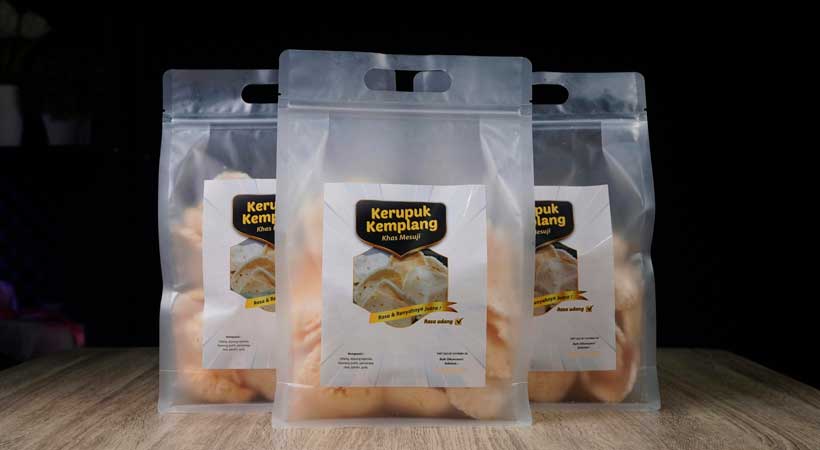
Food labeling rules in the UAE are strict.
Your label must include:
- Product name
- Ingredients listed in descending order
- Nutritional facts
- Country of origin
- Production and expiry date
- Storage conditions
- Manufacturer or importer details
- Arabic translation (mandatory)
Missing Arabic labeling is one of the most common reasons for rejection.
Step 5: Submit Product Application
Upload product details and supporting documents into the system.
Pay the government registration fee.
Ensure all information matches the physical packaging exactly.
Step 6: Authority Review
The Food Safety Department will review:
- Ingredient compliance
- Label format
- Additives and preservatives
- Health claims (if any)
- Overall food safety compliance
If clarification is needed, you may receive comments for correction.
Step 7: Receive Registration Approval
Once approved:
- A registration certificate is issued
- The product becomes eligible for import
- Customs clearance becomes smoother
- You can legally distribute and sell the product
How Long Does Food Product Registration Take?
Typical processing time:
- 5 to 15 working days (if documents are complete)
Delays usually happen due to:
- Incorrect Arabic translation
- Nutritional format errors
- Restricted ingredients
- Missing documentation
- Incorrect expiry date format
Proper preparation reduces processing time significantly.
Cost of Food Product Registration in Dubai
Costs vary depending on:
- Number of products (SKUs)
- Type of food product
- Municipality fees
- Professional service charges (if using consultants)
Each SKU requires a separate registration fee.
Businesses launching multiple flavors or packaging sizes should plan their budget accordingly.
Common Reasons for Application Rejection
Applications are often delayed or rejected due to:
- Incomplete ingredient disclosure
- Non-compliant labeling
- Unapproved additives
- Unauthorized health claims
- Missing Arabic information
- Expiry date format mistakes
Careful label review before submission can prevent costly delays.
Can You Import Food Products Without Registration?
No.
If food products arrive in the UAE without prior registration:
- Customs may hold the shipment
- Clearance may be delayed
- Additional inspection may be required
- Storage charges may increase
- Products may be rejected
It is always advisable to complete registration before shipment arrival.
Special Considerations for Restaurant Brands
If you operate a restaurant and plan to sell:
- Sauces
- Spices
- Ready-to-eat packaged items
- Private label food products
You must:
- Register each product separately
- Ensure retail-compliant labeling
- Obtain manufacturing approvals if produced locally
A restaurant trade license alone does not cover retail food product registration.
Important Compliance Tips for Importers
To avoid delays and rejection:
- Verify ingredient compliance with UAE standards
- Ensure accurate Arabic translation
- Avoid unapproved health claims
- Use correct nutritional format
- Confirm halal compliance (if required)
- Register products before shipment
Proper compliance planning prevents shipment issues and penalties.
Final Thoughts
Food product registration in the UAE is a mandatory regulatory requirement before selling packaged food products.
Whether you are:
- A new F&B startup
- A packaged food importer
- A restaurant launching retail products
Proper registration ensures:
- Smooth customs clearance
- Legal market entry
- Retail distribution approval
- Full compliance with UAE food safety regulations
If you are planning to register food products in Dubai and need guidance on documentation, label compliance, or submission procedures, consulting a professional advisor can help you avoid delays and ensure faster approval.