Dishonoured Cheques in the UAE – All You Need to Know
Cheques are a widely used method of payment in the UAE for both individuals and businesses. However, when a cheque is returned unpaid — commonly known as a bounced cheque — it can lead to serious financial and legal consequences. Understanding the rules, penalties, and remedies available is crucial for anyone who issues or receives cheques in the UAE.
What is a Dishonoured Cheque?
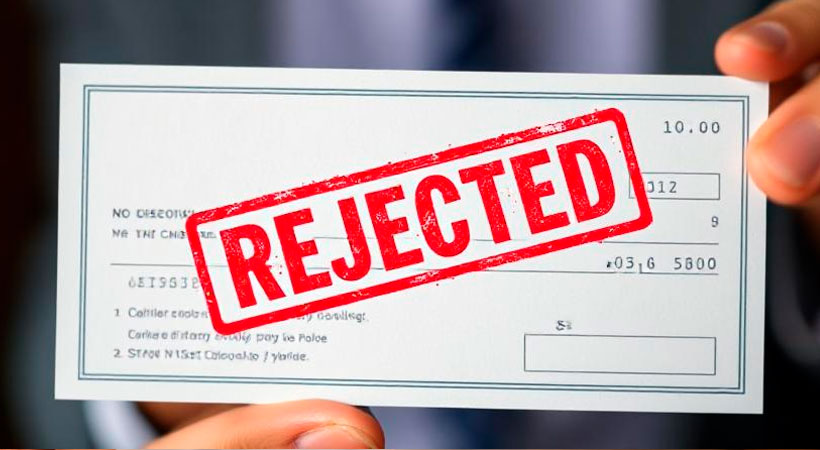
A dishonoured cheque is one that cannot be processed by the bank due to reasons such as insufficient funds, mismatched signatures, account closure, or errors in writing. When this happens, the cheque is returned to the payee unpaid, and the incident is officially recorded.
Legal Implications of Bounced Cheques in the UAE
The UAE has strict laws surrounding cheque misuse. A bounced cheque can trigger both civil and criminal consequences depending on the circumstances.
- Criminal consequences: Under the UAE Penal Code, issuing a cheque without sufficient funds is considered an offence. Penalties can include fines or, in severe cases, imprisonment.
- Civil consequences: The payee can file a civil case to recover the unpaid amount, plus any damages or losses suffered.
Common Reasons Cheques Bounce
- Insufficient funds in the drawer’s account.
- Account closed before cheque presentation.
- Signature mismatch with bank records.
- Errors in writing such as altered amounts or overwriting.
- Issuance of post-dated cheques without ensuring funds on the due date.
How to Resolve a Bounced Cheque Issue
- For the drawer (issuer): Ensure funds are available, communicate with the payee, and settle the matter promptly to avoid escalation.
- For the payee (receiver): Retain the original cheque and bank return memo as evidence, then seek legal action if amicable settlement fails.
Process for Handling Dishonoured Cheques in the UAE
- Bank Notification – When a cheque bounces, the bank issues a return memo stating the reason.
- Complaint Filing – The payee can file a complaint with the police in the emirate where the cheque was dishonoured.
- Investigation – The case may proceed to the Public Prosecution, which determines whether criminal action is warranted.
- Civil Claim – Alongside or after criminal proceedings, the payee may initiate a civil claim to recover the value of the cheque.
- Settlement – Many cases are resolved through negotiation or settlement between parties before trial.
Preventing Cheque Issues in the UAE
- Always verify available funds before issuing cheques.
- Avoid leaving blank spaces on cheques to prevent fraud.
- Reconcile account details, signatures, and dates carefully.
- Use alternative payment methods (like bank transfers) when possible.
Why Legal Advice is Essential
Cheque cases in the UAE involve both banking regulations and criminal law, making them complex to navigate without professional guidance. Whether you are the issuer or the recipient of a dishonoured cheque, consulting a legal professional helps you:
- Understand your rights and obligations.
- Explore settlement options before escalation.
- Take the right steps for police complaints or civil claims.